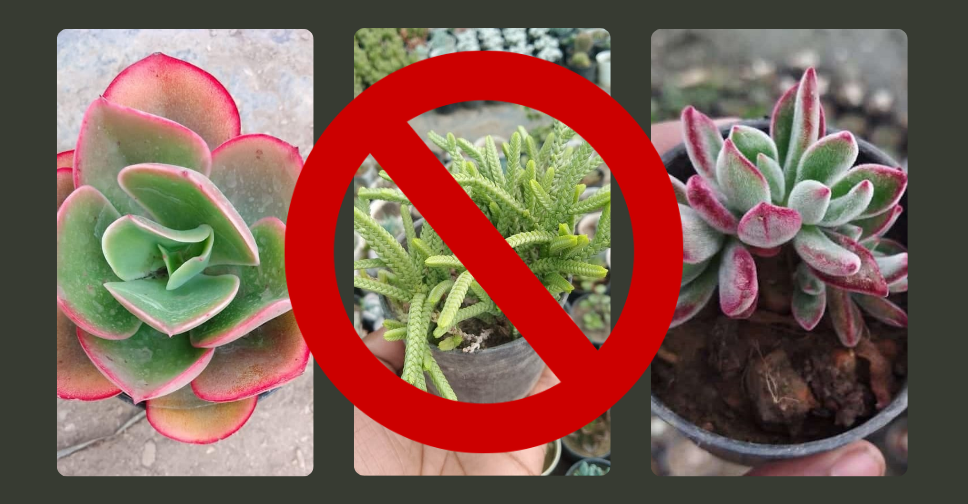
4 Summer Mistakes That Could Kill Your Succulents (And How to Fix Them) – Succulents are often considered the perfect low-maintenance plants. Their thick leaves store water, making them resilient and drought-tolerant. However, summer heat can quickly turn these hardy plants into stressed, dying specimens if you make the wrong care decisions.
Many gardeners assume succulents thrive in extreme heat because they are “desert plants.” While some species tolerate high temperatures, most succulents actually prefer moderate warmth and bright light rather than intense heat and harsh sun. When temperatures rise, mistakes like overwatering, poor soil choice, or too much sunlight can damage your plants quickly.
According to plant experts, overwatering and improper lighting are two of the most common reasons succulents die, especially during warmer months when watering schedules and light exposure change.
If you want your plants to thrive this season, avoid these five common summer mistakes that could kill your succulents.
1. Overwatering Your Succulents
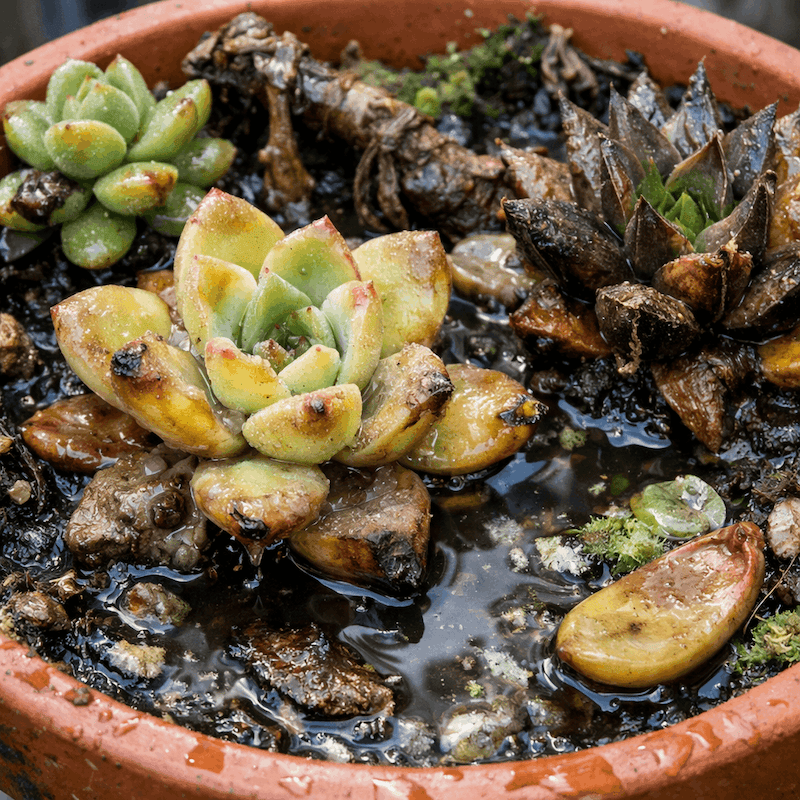
One of the biggest mistakes gardeners make in summer is watering succulents too often. While it’s true that plants need more water during the growing season, succulents still prefer the “soak and dry” method. This means watering thoroughly and then allowing the soil to dry out completely before watering again.
Overwatering causes the soil to remain wet for too long, which deprives roots of oxygen and leads to root rot. Signs of overwatering include:
- Yellow or translucent leaves
- Soft or mushy stems
- Leaves falling off easily
- Mold or fungus on the soil
Succulents store water in their leaves and stems, so they can survive long dry periods. When the soil stays wet, the roots rot quickly and the plant may die.
Pro Tip: Use a well-draining cactus or succulent mix and only water when the top inch of soil feels dry.
You can find specially formulated soil mixes and pots designed for proper drainage here:
2. Exposing Succulents to Harsh Afternoon Sun
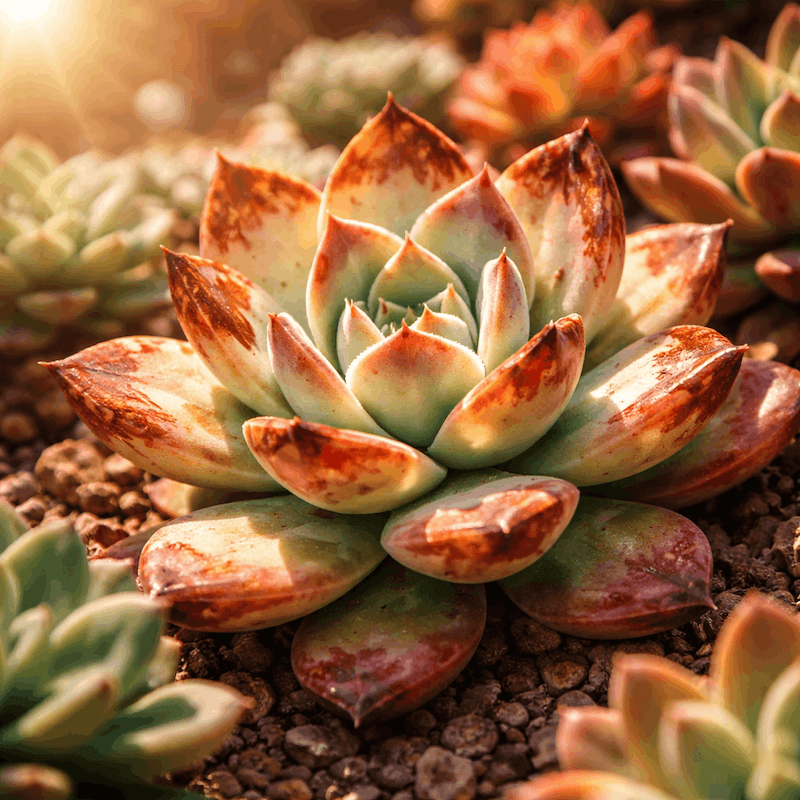
Succulents love sunlight, but intense summer rays can cause serious damage. Direct afternoon sun combined with high temperatures can scorch leaves, leaving permanent brown or white patches.
Newly purchased or newly planted succulents are especially vulnerable because they may not be acclimated to strong sunlight. Gradual exposure helps plants adjust without suffering sunburn.
Signs of sunburn include:
- Bleached or brown spots on leaves
- Dry or crispy leaf edges
- Sudden color fading
How to fix it:
- Place succulents where they get morning sunlight and afternoon shade.
- Use shade cloth or move them indoors near a bright window.
- Gradually increase sun exposure for new plants.
Most succulents thrive with about 4–6 hours of bright light daily rather than all-day direct sun.
3. Using the Wrong Soil Mix
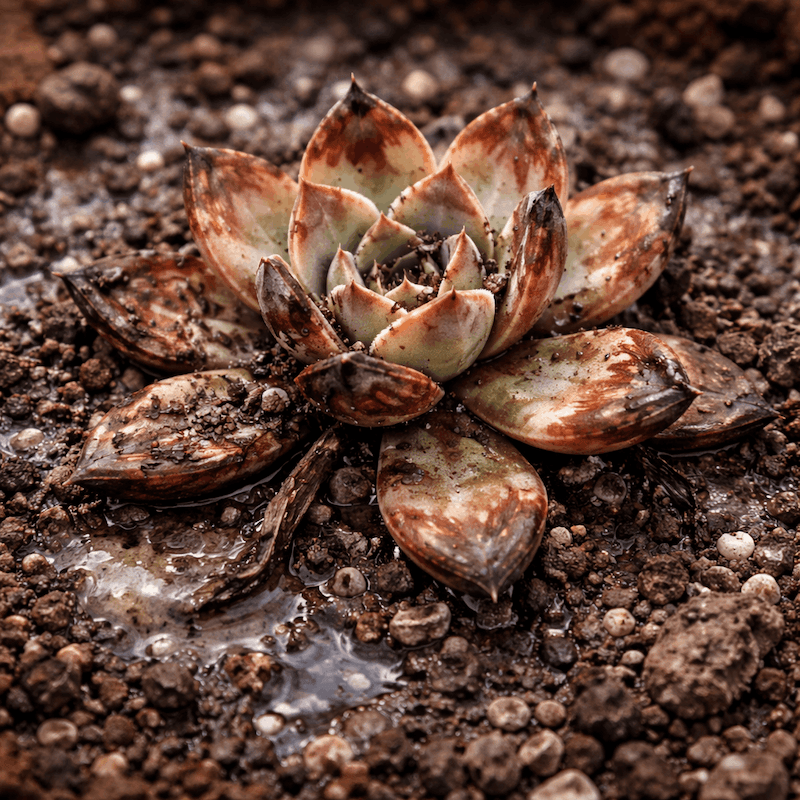
Another common mistake is planting succulents in regular garden soil or standard potting mix. These soils retain too much moisture and prevent proper drainage.
Succulents require a light, porous soil mix containing materials like sand, pumice, or perlite. This allows water to drain quickly and prevents the roots from staying wet.
Poor soil conditions often lead to:
- Root rot
- Slow growth
- Mold and fungal diseases
To give your plants the best start, use soil specifically designed for succulents and cacti.
4. Growing Succulents in Pots Without Drainage
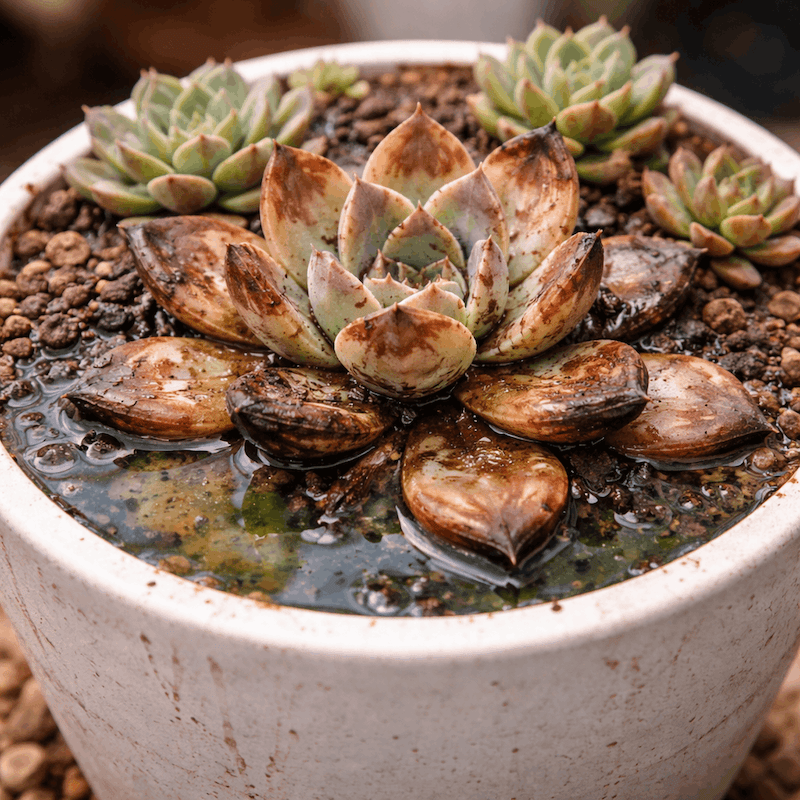
Even if you use the perfect soil mix, your succulents may still struggle if the container lacks drainage holes. Pots without drainage trap excess water at the roots, increasing the risk of rot and fungal growth.
Experts recommend using containers that allow water to escape easily. Terra-cotta pots are especially popular because their porous material helps the soil dry faster and improves airflow around the roots.
Best containers for succulents:
- Terra-cotta pots
- Ceramic pots with drainage holes
- Shallow planters with gritty soil
Avoid glass containers and closed terrariums since they trap humidity and moisture, which succulents do not tolerate well.
Bonus Tips for Healthy Succulents in Summer
To keep your succulents thriving during hot weather, follow these additional care tips:
- Water early in the morning so roots stay cool during the day.
- Provide bright light but avoid harsh afternoon sun.
- Use fast-draining soil and containers with drainage holes.
- Rotate indoor plants so they receive even light.
- Inspect leaves regularly for pests.
With proper care, succulents can grow beautifully even in warm climates.
Final Thoughts
Succulents are hardy plants, but they are not completely foolproof. Summer heat, improper watering, and poor soil conditions can quickly turn a healthy plant into a struggling one.
By avoiding these five common mistakes-overwatering, excessive sunlight, poor soil, lack of drainage, and ignoring pests-you can ensure your succulents remain healthy, vibrant, and thriving all summer long.
Whether you’re a beginner gardener or an experienced plant enthusiast, understanding how seasonal conditions affect your plants is the key to successful succulent care.
Related Posts